Things to Do in Ghana: Top Tourist Attractions & Experiences
Ghana offers an incredible mix of history, culture, beaches, wildlife, and vibrant city life, making it one of West Africa’s most rewarding destinations.
This is my personal guide to the best things to do in Ghana, from lively city experiences and historic landmarks to lush nature escapes and cultural traditions. I’ve visited Ghana multiple times over the past few years, and each trip has deepened my appreciation for its warmth, energy, and cultural depth, from city life in Accra to historic sites along the coast and nature escapes up north.
If you’re planning a longer trip, this 7-day Ghana itinerary helps you map out highlights across the country and is ideal for first-time visitors, cultural travelers, adventure lovers, and anyone planning a 7–10 day trip to Ghana.
Why Visit Ghana? A Quick Guide to the Best Things to Do in Ghana
Ghana stands out as one of the easiest and most rewarding countries in West Africa for travelers, thanks to its safety, accessibility, English-speaking population, and well-developed tourism infrastructure.
Before diving into the best things to do in Ghana, here’s a quick overview to help you plan your trip with confidence.
Where Ghana Is Located
Ghana is located along the West African coast, bordered by Côte d’Ivoire to the west, Togo to the east, and Burkina Faso to the north, with the Atlantic Ocean stretching across its southern edge. The capital city, Accra, is a lively coastal hub filled with music, food, history, and culture, and it’s where most travelers begin their journey.
Best Time to Visit Ghana
The best time to visit Ghana is during the dry season from November to March, when warm temperatures and lower humidity make it easier to explore cities, national parks, beaches, and cultural sites.
- For beaches and sightseeing: November to February offers the most comfortable coastal weather.
- For cultural festivals: August to October brings vibrant local celebrations across the country.
Pro Tip: To enjoy the best things to do in Ghana with minimal travel disruptions, plan your visit during the dry months when roads are easier to navigate and attractions are fully accessible.
Visa and Entry Requirements
Most travelers need a tourist visa to enter Ghana, which must be arranged in advance through a Ghanaian embassy, consulate, or approved online process. Your passport should be valid for at least six months beyond your travel dates, and a yellow fever vaccination certificate is required for entry.
With this context in mind, let’s dive into the best things to do in Ghana, from must-see landmarks and cultural experiences to natural attractions across the country.
Things to Do in Ghana: Accra (Capital City Adventures)
On my first trip to Ghana, Accra was where I got my bearings; its mix of history, markets, beaches, and nightlife made it the perfect introduction to the country’s energy and culture.
1. Explore the Kwame Nkrumah Mausoleum
This memorial landmark is where Ghana’s first president, Kwame Nkrumah, is laid to rest. The nearby museum, although not perfectly maintained, impressed me with its contents and gave me a genuine sense of Ghana’s journey to independence.
Learning about Dr. Nkrumah’s life was truly inspiring; he was a remarkable leader and a strong advocate for Pan-Africanism, the unity of all Africans. The gardens around the mausoleum are peaceful, perfect for a slow stroll and a few photos, and make the visit feel both reflective and uplifting.

2. Visit Black Star Square
Also called Independence Square, Black Star Square is massive, impressive, and full of history. Walking around, you can really feel the pride of the nation. The square features the Black Star Gate, Independence Arch, Liberation Day Monument, and a Memorial to an Unknown Soldier.
Every year on March 6th, Ghana celebrates its independence here with a festive parade that is free and open to the public. The square can hold over 30,000 people, and just being there gives you a sense of the country’s spirit and unity. Don’t forget to snap a few pictures from the top steps because the view of the city is worth it.
Pro Tip: Visit the Kwame Nkrumah Memorial Park and Black Star Square during the same trip. Both sights are in the heart of Accra and are within minutes of each other.


3. Shop and Explore Makola Market
Ah, Makola! If you love vibrant markets, this is your playground. From vibrant fabrics and handmade crafts to fresh produce and local spices, it’s a feast for the senses. Walking through the stalls, you’ll hear vendors calling out their wares and see everything from handcrafted jewelry to souvenirs.
Haggling in markets in Ghana is part of the fun, so don’t be shy. Keep a close eye on your belongings and carry small cash notes. You can also try local snacks, such as kelewele (spicy fried plantains), while enjoying the lively atmosphere. Visiting Makola Market is an opportunity to experience the heart of Accra’s vibrant culture and energy.
4. Hit Labadi Beach
When you need a break from the city buzz, Labadi Beach is the perfect spot. The golden sands stretch for miles, and the rhythmic sound of waves instantly relaxes you. You can stroll along the shore, watch energetic drummers and dancers perform traditional routines, or even ride a horse along the coastline.
Local vendors sell fresh coconut water, snacks, and handmade crafts, making it easy to enjoy a little taste of Ghana while you unwind. The beach is also a popular spot for sunset views, so stick around to watch the sky light up in vibrant colors.

5. Take the Jamestown Walking Tour
Jamestown has such a cool, laid-back energy, and a walking tour is the best way to explore it. You’ll see historic lighthouses, colonial buildings, and vibrant street art that reflects the community’s rich culture. Along the way, you can visit local fishing docks, watch craftsmen at work, and hear stories about the neighborhood’s history, including its role in colonial times.
The area comes alive during festivals like Chale Wote, when the streets are filled with music, dance, and art. Every corner tells a story, making it feel like you’re stepping back in time while still immersed in Accra’s lively city life.
6. Experience Accra Nightlife and Rooftop Bars
When the sun goes down, Accra comes alive. Osu is the city’s nightlife hub, packed with buzzing bars, open-air lounges, and late-night food spots that keep the energy high well into the evening.
If nightlife is high on your list, this Accra nightlife guide highlights the best bars, rooftops, and party spots to experience after dark.
Overall, for a more relaxed vibe, sip cocktails at rooftop spots like Skybar or other rooftop lounges, where you can enjoy panoramic views of the city skyline while watching the sunset.
In Takoradi, The Arena Lounge and Club is a popular spot for dancing, enjoying DJs, and soaking up the local nightlife scene. For a more casual evening, night markets, local bars, and cafes offer a friendly, lively atmosphere where you can mingle with locals while sipping sobolo or palm wine.
Things to Do in Central and Western Ghana
Central and Western Ghana are known for some of the country’s most moving historical sites, lush rainforests, and laid-back coastal experiences.
This region is home to UNESCO World Heritage castles, canopy walks through dense forests, and beaches where time slows down.
7. Visit Elmina Castle
When I visited Elmina Castle on my first trip to Ghana, it was one of the most emotional and sobering experiences of the entire journey. Walking through the windowless, cramped dungeons, I could almost feel the fear and despair of the hundreds of men and women who were kept there for months. Standing at the ‘Door of No Return,’ I was left speechless, imagining the lives that had been torn from their homeland.
The courtyard, where the British governor once stood and made cruel decisions, was chilling. Then I looked at the spacious, airy rooms that were reserved for him and couldn’t help but feel the stark contrast. It made the stories of resilience and strength of the people even more powerful.
Pro-Tip: Elmina Castle is about a three-hour drive from Accra and closes at 5:30 pm (last tour at 4:30 pm). We left Accra at 9:30 am, stopped at Kakum National Park, and just made it for the last tour. To enjoy both attractions, I recommend leaving Accra by 6 am. We hired a driver for the day for 400 Ghanaian Cedis ($100).

8. Take a Kakum National Park Canopy Walk
For a bit of adventure, you can’t miss the canopy walk at Kakum National Park. Kakum is a 3.5-hour ride from Accra and is one of Ghana’s most popular tourist sites. We took the exhilarating full canopy walk, which starts with a gorgeous 20-minute hike through the forest to reach the canopies.
The walk includes six suspended bridges of varying heights, all led by a knowledgeable guide. There’s also a shorter, three-canopy version if heights aren’t your thing. The views are breathtaking, and if you’re lucky, you’ll spot some playful monkeys swinging through the trees.
While there, we learned about a tree house experience, where you go on a night hike to see the wildlife and spend the night. I would have loved to do this, but you need to book in advance.
Pro- Tip: I visited Kakum National Park during the rainy season, and while the forest was incredibly lush, the trail was slick in places, making proper footwear especially important.

9. Relax at Busua Beach
Busua Beach is the kind of place where you can just breathe and let the waves wash your worries away. It’s perfect for swimming, surfing, or lounging on the sand with a cold coconut in hand. The beach has a laid-back vibe, with small beachfront bars and cafes where you can grab a bite or a refreshing drink.
It’s also one of the best spots in Ghana to try fresh seafood, from grilled fish to prawns caught that same morning. For surfers, local instructors offer lessons, making it a fun stop whether you’re a beginner or more experienced.
10. Explore Nzulezo Stilt Village
A visit to Nzulezo, a village built entirely on stilts over a lake, feels like stepping into another world. The locals are incredibly welcoming, and exploring the village by canoe offers a peaceful and unique perspective of daily life on the water. You’ll see homes, schools, and small shops all connected by wooden walkways.
Local guides are available to share fascinating stories about the village’s history and culture, including how the community has lived sustainably on the lake for generations. Don’t forget your camera: the reflections on the water and the colorful houses make for stunning photos.
Things to Do in Ghana: Eastern and Volta Regions
During one of my longer stays in Ghana, I dedicated a full day to the Eastern and Volta Regions, which turned out to be the perfect pace for waterfalls, gardens, and scenic hikes without feeling rushed.
11. Visit Aburi Botanical Gardens
If you love nature, Aburi Botanical Gardens is a must-visit during your Ghana trip. Established in 1890, it is one of the country’s oldest botanical gardens, featuring a stunning mix of local and exotic trees, towering palms, and vibrant flowers. The shaded paths are ideal for leisurely walks, photography, and immersing yourself in the peaceful surroundings.
The gardens are just a 45-minute drive from Accra, making it an easy day trip. We hired a driver for the round trip for 100 Ghanaian Cedis ($25) and spent about 3–4 hours exploring. There are also picnic areas and small restaurants nearby, which make it convenient to take a break or enjoy a snack.
Pro Tip: Visitors are prohibited from entering the forest section without a guide, so consider hiring one to fully experience the gardens. If you’re planning a day of nature adventures, you can easily combine this trip with Akaa Falls or Boti Falls.

12. Experience Boti Falls
This stunning twin waterfall is located about an hour from Accra. To reach the falls, you’ll take a short hike through lush greenery, which is particularly beautiful during the rainy season when the water flow is at its peak. At the base, there’s a natural pool where adventurous visitors can dip their feet or even swim to cool off.
The area around Boti Falls is perfect for exploring on foot, with walking paths that showcase the surrounding rainforest. Small local markets nearby sell snacks, handmade crafts, and souvenirs, giving you a taste of local life.
Pro-Tip: Guided tours are available for visitors who want to explore Boti Falls, Umbrella Rock, Aburi Botanical Gardens, and even take a cocoa farm tour.
13. Wli Waterfalls
Located in the Volta Region, Wli Waterfalls is the tallest waterfall in Ghana and a must-see for nature lovers. To reach the falls, you’ll follow a scenic forest trail where you might spot colorful birds, butterflies, and playful monkeys along the way. The hike is moderate and very rewarding, with lush greenery and peaceful surroundings.
At the base, a large natural pool invites visitors to swim or cool off after the trek. Guided tours are available to provide insights into the local flora, fauna, and the cultural significance of the area. There are also small local vendors near the entrance where you can buy snacks and souvenirs.
Pro Tip: Early morning visits are ideal to avoid crowds and enjoy the forest trail in peace.
14. Visit Tafi Atome Monkey Sanctuary
Tafi Atome Monkey Sanctuary is a community-managed haven where monkeys roam freely in their natural habitat. Visitors can take guided walks through the forest, learning about the sanctuary’s conservation efforts and how the local community protects the monkeys and their environment.
The sanctuary also offers cultural insights, with guides sharing stories about local traditions and how people coexist with wildlife. It’s a wonderful spot for families, wildlife enthusiasts, and anyone interested in eco-tourism. Don’t forget your camera. The playful monkeys are often happy to pose from a safe distance!
15. Hike Mount Afadjato
Mount Afadjato is Ghana’s highest peak at 885 meters (2,900 feet) and a must-do for hiking enthusiasts. The trail to the summit is moderate and takes about 2–3 hours, depending on your pace. From the top, you’re rewarded with panoramic views of rolling hills, dense forests, and on a clear day, even the Togo border.
Local guides are available to enhance your experience with insights about the area’s flora, fauna, and local culture. After your climb, the nearby village of Gblede is an excellent spot to rest, enjoy refreshments, and interact with the welcoming local community.
Pro Tip: The Eastern and Volta Regions are ideal for nature and eco-tourism enthusiasts. Comfortable shoes, water, and insect repellent are recommended. Plan at least a full day if you want to explore multiple attractions.
Things to Do in Ghana: Northern Region
Northern Ghana offers a completely different side of the country, with wildlife safaris, ancient mosques, and deeply rooted cultural traditions.
This region is less visited than the south but offers incredibly rewarding experiences for travelers seeking meaningful, off-the-beaten-path experiences.
16. Go on Safari at Mole National Park
Mole National Park is Ghana’s largest wildlife reserve and a must-visit for nature and animal lovers.
Visitors can take guided safari drives to spot elephants, antelopes, baboons, warthogs, and a variety of bird species in their natural habitat. Early-morning or late-afternoon game drives are best for animal sightings, while walking safaris offer a closer, more immersive experience.
The park has several accommodation options, from eco-lodges inside the park like Zaina Lodge and Mole Hotel to budget-friendly guesthouses nearby like Sundowner Lodge.
Local guides share fascinating insights into the wildlife, conservation efforts, and the park’s history. Don’t forget binoculars, sunscreen, and insect repellent. Consider bringing snacks and plenty of water for longer excursions.
Pro Tip: Book your safari drive in advance, and try to stay at least one night in the park to experience both day and night wildlife activity.
17. Visit Larabanga Mosque
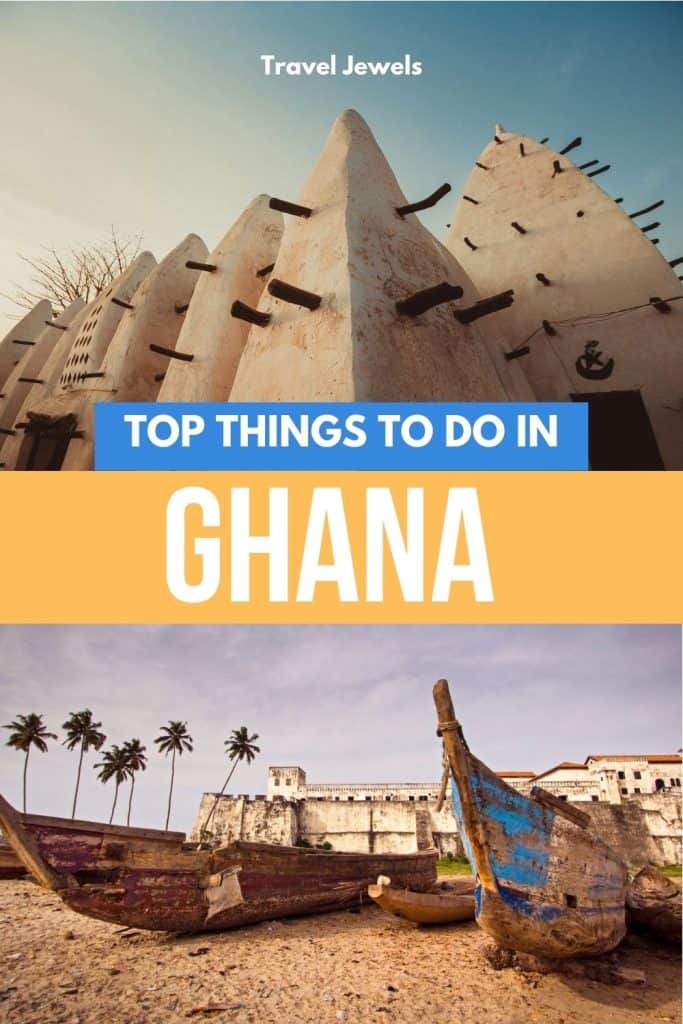
The Larabanga Mosque is one of the oldest mosques in West Africa, dating back to the 15th century. Built from mud and timber in the traditional Sudano-Sahelian style, it offers a glimpse into Ghana’s rich history and Islamic heritage.
Visitors can explore the mosque with a local guide to learn about its architecture, history, and cultural significance. It’s a peaceful stop that also provides excellent photo opportunities.
Pro Tip: Dress modestly when visiting, and consider hiring a local guide for deeper insights into the mosque’s history and traditions.
18. See the Crocodiles at Paga Crocodile Pond
At Paga Crocodile Pond, you can safely interact with friendly crocodiles under the supervision of local guides. According to local beliefs, these crocodiles are sacred, and visitors enjoy learning about the cultural stories and traditions that surround them. It’s a unique cultural experience that combines wildlife viewing with local folklore.
The pond is located right in the town of Paga, making it easy to combine your visit with exploring the local community. Local artisans often sell handmade crafts nearby, giving you the chance to pick up souvenirs.
Pro Tip: Bring your camera for memorable photos and follow the guide’s instructions carefully to safely interact with the crocodiles.
Top Cultural & Historical Experiences in Ghana
Ghana’s cultural and historical experiences are deeply tied to its kingdoms, festivals, crafts, and culinary traditions.
These experiences offer a deeper understanding of Ghana’s identity beyond sightseeing alone.
19. Attend the Akwasidae Festival in Kumasi
Held every six weeks at the Manhyia Palace in Kumasi, the Akwasidae Festival celebrates the rich heritage of the Ashanti Kingdom. It’s a vibrant display of royal tradition, drumming, dancing, and colorful kente cloth.
Visitors can witness the Asantehene (Ashanti King) seated in state as people come to pay homage, offering a rare glimpse into one of Africa’s most enduring monarchies.
Pro Tip: Check festival dates in advance, dress modestly, and bring a small token or greeting if you’re meeting locals as a sign of respect.
20. Explore the Ashanti Kingdom and Manhyia Palace Museum
The Manhyia Palace Museum serves as both a royal residence and a museum that chronicles the history of the Ashanti Empire. Exhibits include royal regalia, photographs, and historical artifacts that tell stories of power, pride, and resistance against colonialism.
Guided tours offer fascinating insights into the Ashanti people’s customs and governance system.
Pro Tip: Plan about 1–2 hours for the visit and hire a local guide for deeper context.
21. Visit Local Craft Villages
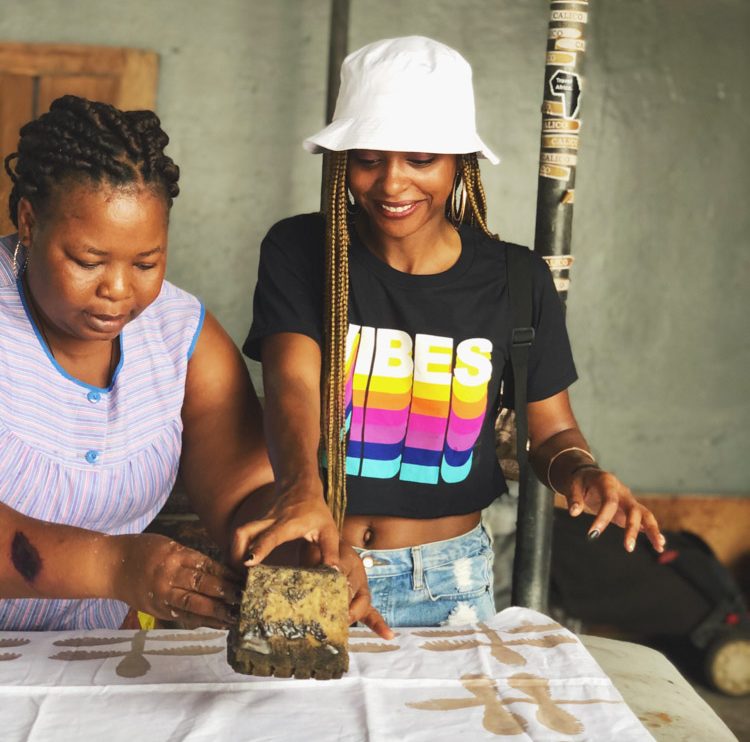
Just outside Kumasi, you’ll find Bonwire, famous for kente weaving, Ntonso for Adinkra cloth printing, and Ahwiaa for wood carving. Each village offers a hands-on experience where you can watch artisans at work and even try your hand at weaving or stamping your own fabric.
For curious travelers, it’s helpful to know that most workshops welcome visitors in the morning, when artisans are actively working. Bring local currency, as many craftsmen prefer cash payments for their authentic creations.
If you want to see multiple craft villages in one day, this Ashanti craft villages tour combines culture, history, and local craftsmanship.
Pro Tip: Photography is usually allowed, but it’s polite to ask before taking pictures of people at work.
22. Learn About Ghanaian Cuisine
Ghana’s food scene is as vibrant and welcoming as its people. Try local favorites like jollof rice, cooked in rich tomato sauce and served with grilled chicken or goat, or banku with tilapia, a beloved coastal dish that pairs fermented corn dough with grilled fish and spicy pepper sauce. For something hearty, enjoy fufu with light soup, a staple across the country that’s best eaten with your hands, just like the locals do.
Street food is where the real magic happens. Start with kelewele, spicy fried plantains seasoned with ginger and chili, or waakye, a flavorful mix of rice and beans served with fried plantain, boiled eggs, spaghetti, or fish. If you have a sweet tooth, try bofrot (fried dough balls) or coconut toffee from street vendors, and wash it all down with sobolo, a refreshing hibiscus drink.
Pro Tip: Every region adds its own twist, so don’t be afraid to ask locals for their favorite spots—you might discover your new favorite dish.
Safety Tips & Getting Around Ghana
Ghana is considered one of the safest and easiest countries to navigate in West Africa, especially for first-time visitors.
If you’re planning a trip to Ghana, these tips on safety, getting around, and local customs will help you make the most of your visit.
Getting Around Ghana
- Domestic Flights: Connect major cities like Accra, Kumasi, and Tamale, saving time on long journeys.
- Intercity Buses (STC, VIP): Reliable, affordable, and a great way to experience local travel.
- Tro-tros and Shared Minibuses: Widely available for short trips within towns or between nearby cities.
- Taxis/Uber: Convenient for getting around cities quickly.
- Car Rentals or Private Drivers: Offer flexibility for day trips, sightseeing, or reaching more remote destinations.
Pro Tip: Always carry a copy of your passport, keep valuables secure, and confirm transport schedules in advance for a smooth and stress-free experience.
Safety, Money, and Health
Ghana is generally considered a safe destination for travelers, especially when following common-sense precautions. Keep a close eye on your belongings, especially in busy markets, and carry cash for smaller shops or rural areas, as cards may not be accepted everywhere.
When it comes to water, stick to bottled or filtered options to stay healthy and enjoy your trip worry-free. Wear sunscreen to protect your skin from the tropical sun, and bring insect repellent if you plan to spend time outdoors.
Cultural Etiquette and Photography
Ghanaians are known for their warmth and hospitality, and a little courtesy goes a long way. Always greet people kindly before asking for help or taking photos; it’s a simple gesture that shows respect and often earns a friendly smile in return.
Avoid using your left hand to point or gesture, as it’s considered impolite, and remember to dress modestly when visiting rural areas or religious sites. Life here moves at its own relaxed pace, so lean into it and enjoy the easy rhythm of “Ghana time.” It’s all part of the charm.
FAQs About Things to Do in Ghana
How Far Does $100 Go in Ghana?
$100 can cover meals, local transportation, and entrance fees for a full day or more in Ghana, especially outside Accra. Street food and transport are very affordable, while mid-range hotels typically cost $40–$70 per night.
What are the must-see attractions in Ghana?
Top attractions include Cape Coast and Elmina Castles, Kakum National Park’s canopy walk, Mole National Park, and beaches like Labadi and Busua. Cultural experiences such as the Akwasidae Festival in Kumasi and historic neighborhoods in Accra add depth to any trip.
What are the do’s and don’ts in Ghana?
Do greet people politely, dress modestly at cultural or religious sites, and carry cash for small purchases. Don’t use your left hand for gestures, photograph people without permission, or drink tap water.
Is Ghana a Fun Place to Visit?
Yes, Ghana is vibrant and welcoming, offering a mix of beaches, nightlife, festivals, markets, and historic sites. Its music, cuisine, and warm hospitality make it an enjoyable destination for travelers of all types.
What is the best time to visit Ghana?
The best time to visit Ghana is during the dry season (November to March) when weather conditions are ideal for sightseeing and travel. Rainy months (April–October) can make some roads and attractions harder to access.
How many days do you really need in Ghana?
Most travelers find 7–10 days sufficient to experience Ghana’s top attractions, coast, forests, and cultural highlights. Shorter trips (4–6 days) are possible but require prioritizing regions such as Accra, Cape Coast, and Mole National Park.
Is Ghana safe for tourists?
Yes. Ghana is widely regarded as one of the safest countries to visit in West Africa, with friendly locals and stable travel conditions. Basic precautions, such as safeguarding valuables and staying alert in crowded areas, is usually sufficient.
Final Thoughts on Things to Do in Ghana
After visiting Ghana multiple times, what stands out most is how each trip feels different, shaped by the people you meet, the regions you explore, and the pace you choose.
Like it? Pin it to your travel boards! You can also follow Travel Jewels boards and get the latest pins directly.